Context
Context is a collection of readings of a more philosophical nature. They come under the headings of Place, Materials, Studios and Pedagogy. The hope is that this will provide a consistent theoretical framework and ground any art work done with the artist in residence.
Place.
"The valley was teaching long before the first classroom was built."
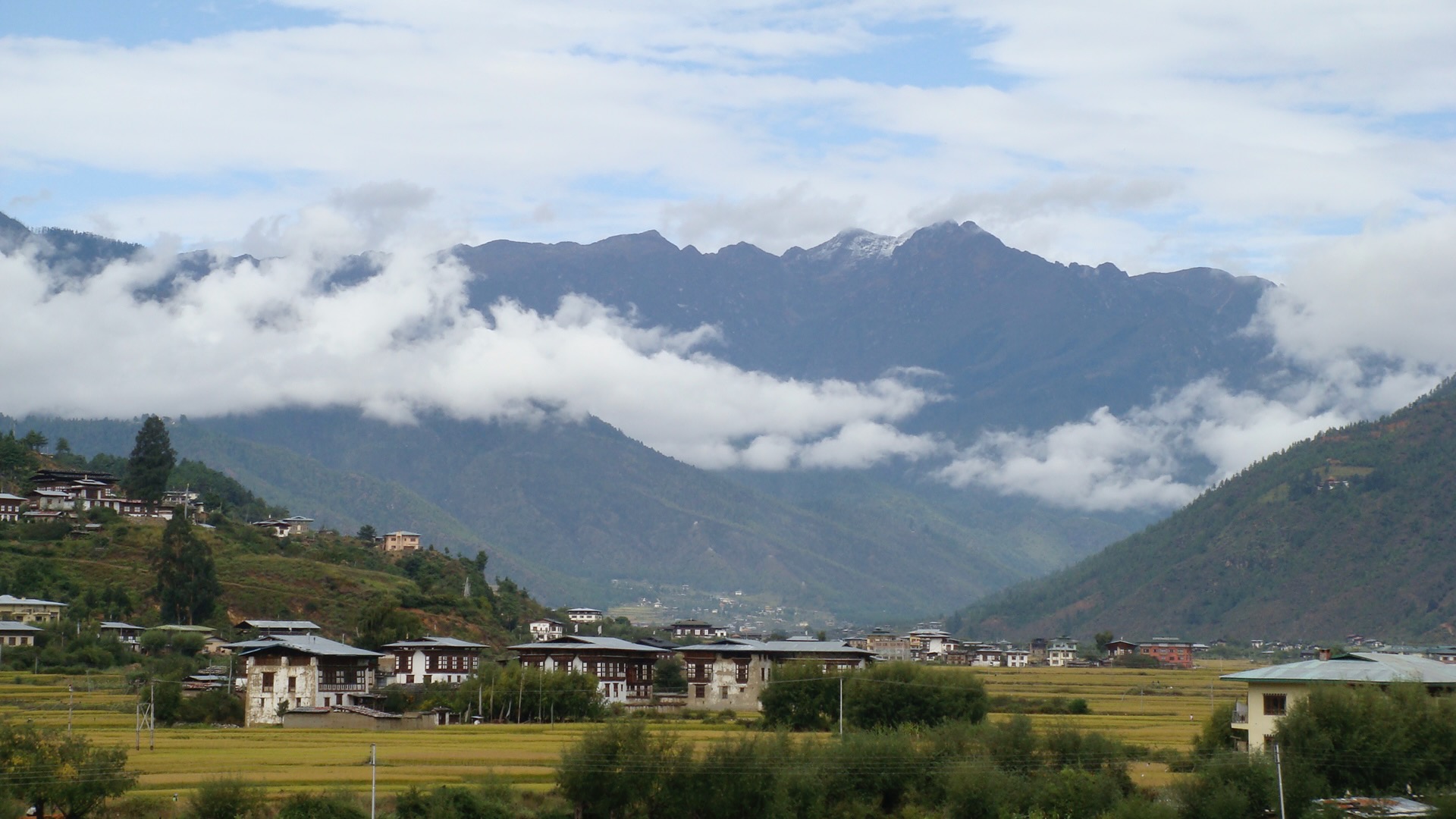
Place forms a solid foundation for this residency. The mountains, rivers, forests, farms, monasteries and communities of Bhutan are not a backdrop to learning but an integral part of it. Artists, teachers and students work attentively within a living cultural landscape, learning from the materials, traditions and relationships that shape everyday life.
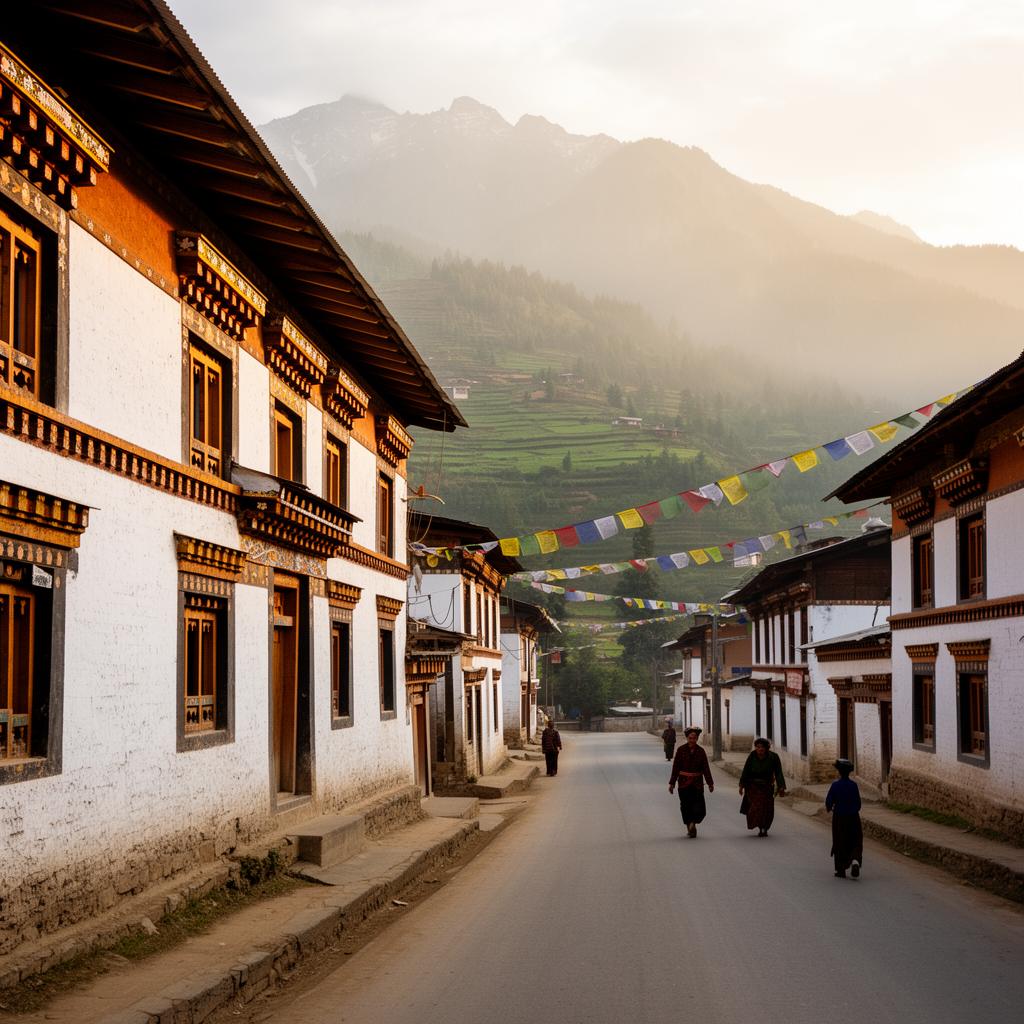
Paro itself teaches slowly. The rhythm of the town — farmers returning from fields, prayer flags catching the morning wind, the smell of incense from a nearby lhakhang — seeps into the work of the residency. Student teachers walk the same streets where artisans have practised their crafts for generations, discovering that a place is not merely where learning happens, but what learning is made from.
Materials
Materials.
"Materials are not simply tools for expression. They are partners in learning."
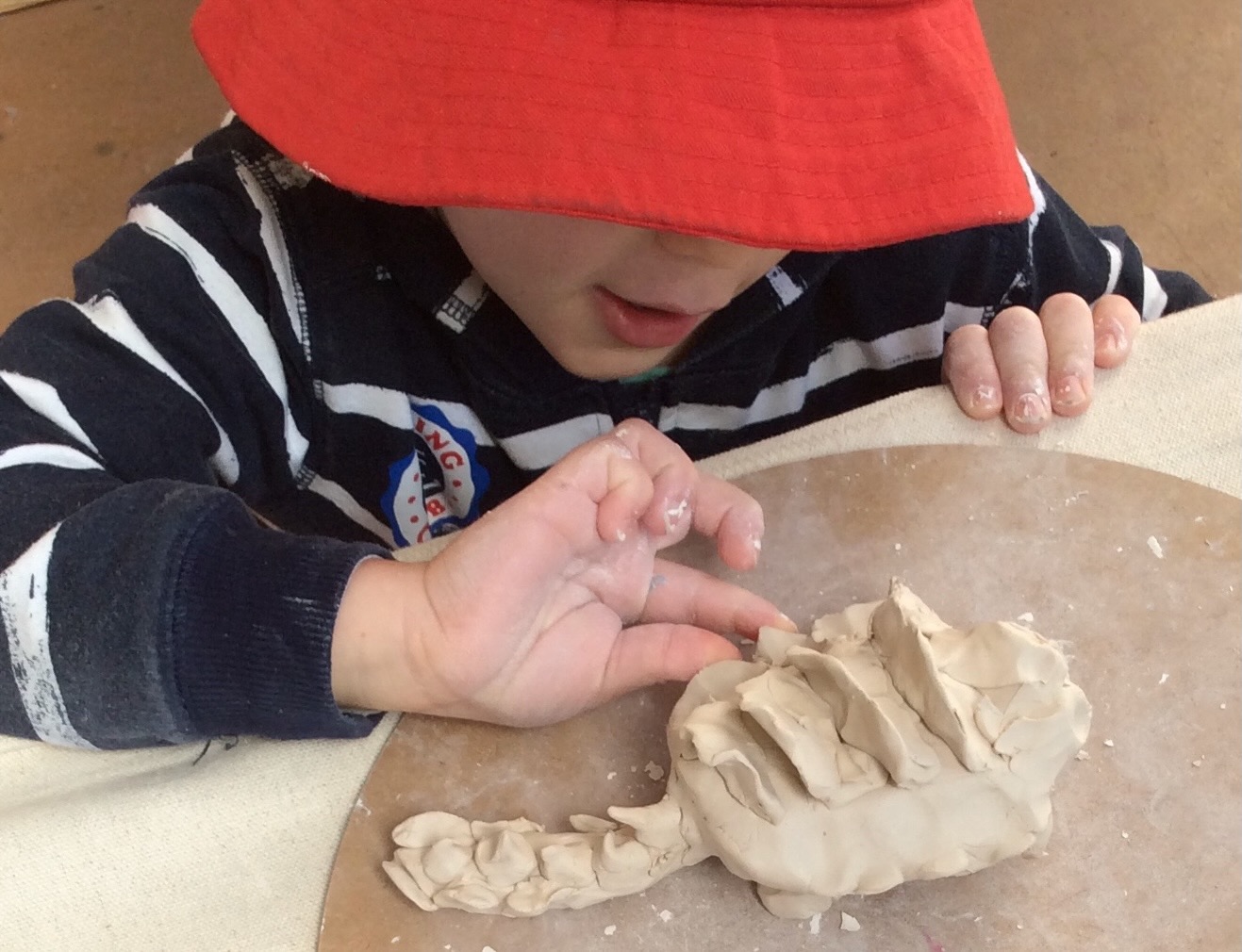
Materials speak to us. Can we hear what they say? They provoke us into action — pushing, bending, poking, pulling, piling, twisting, flattening, joining, cutting, stroking, covering, combining…
Materials affect us. What happens when we think with materials? Can we see, notice and respond? Are we open to exploring the affordances and possibilities of the materials in our environments? Materials can teach us to select the best tools for the projects we undertake. Do we allow time for a deep dive into what each offer? Are we able to select the best materials for the job?
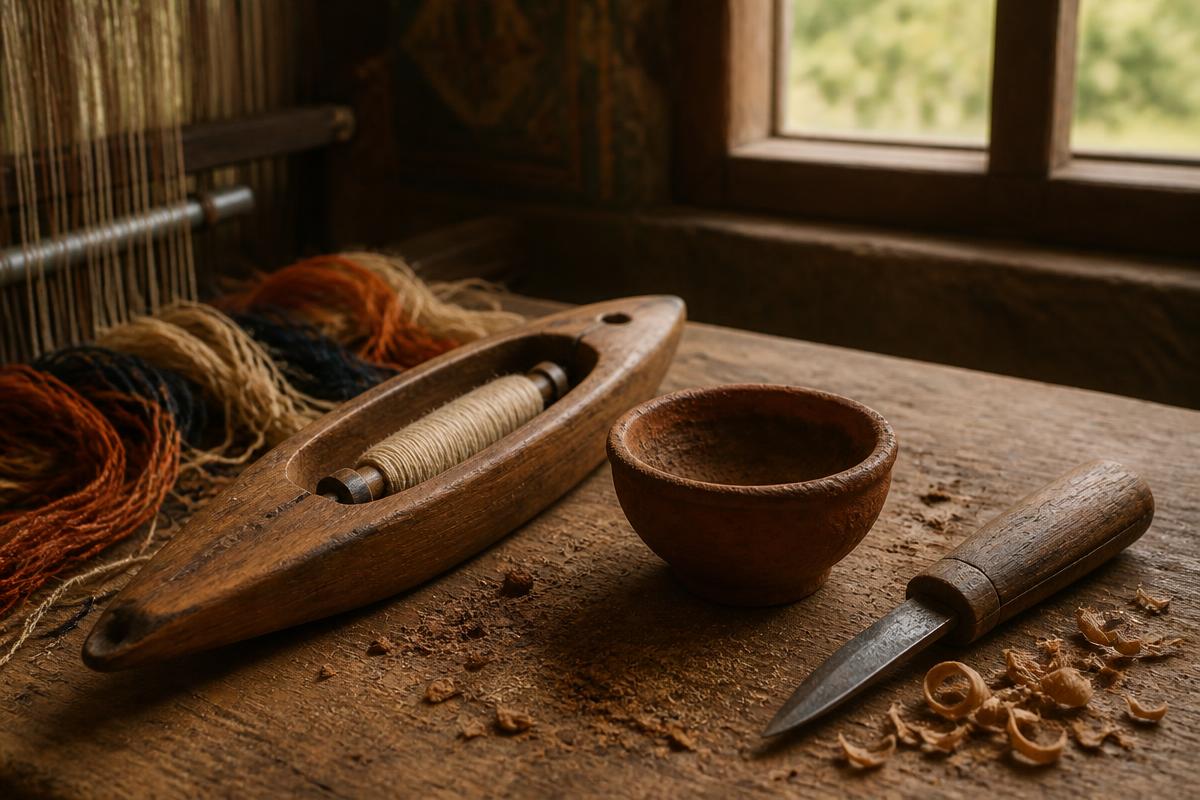
Wool, clay, wood, pigment, paper, stone. Each material carries its own intelligence, its own set of affordances — a way of teaching that precedes any lesson plan.
Student teachers learn to listen to what a material wants to do. They watch how children respond to texture, weight, and transformation. This attention becomes the basis of their teaching.
"Materials are not passive resources. Human beings learn through participation with materials, people, places and cultural practices."
Studios
The studio is a classroom. The classroom is a studio.
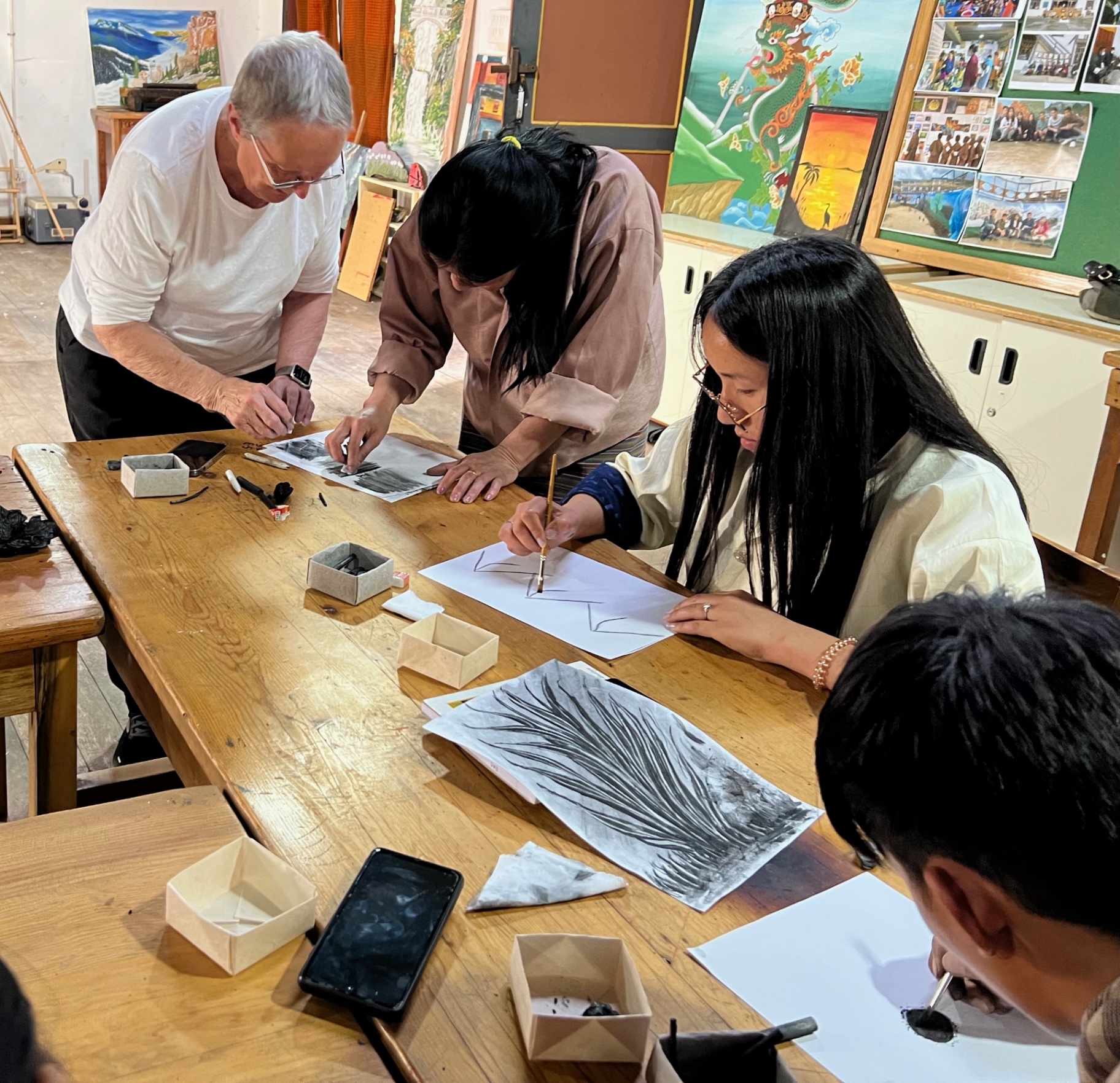
Drawing, weaving, clay, wood, paper. A student teacher who has spent an afternoon with charcoal will return to her classroom and offer charcoal to a child — and notice what happens.
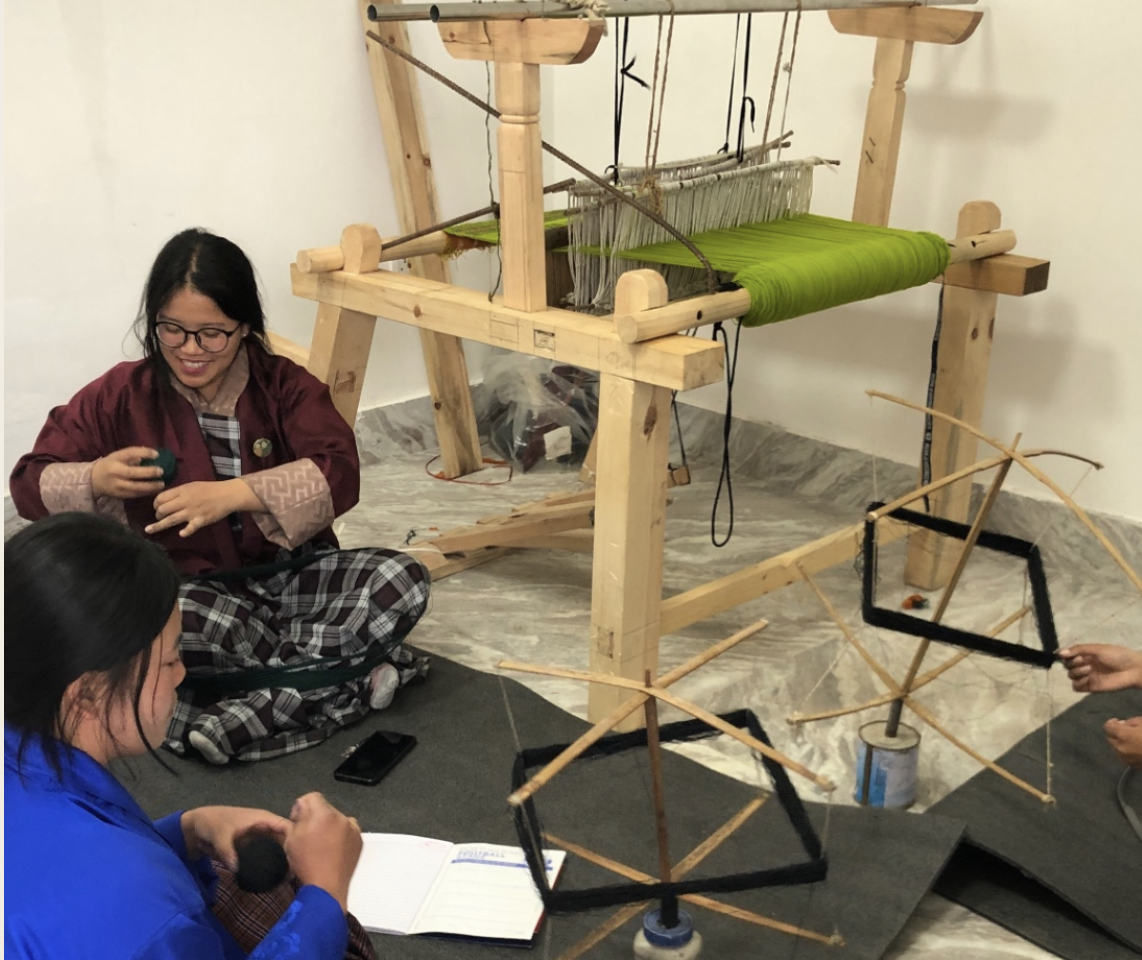
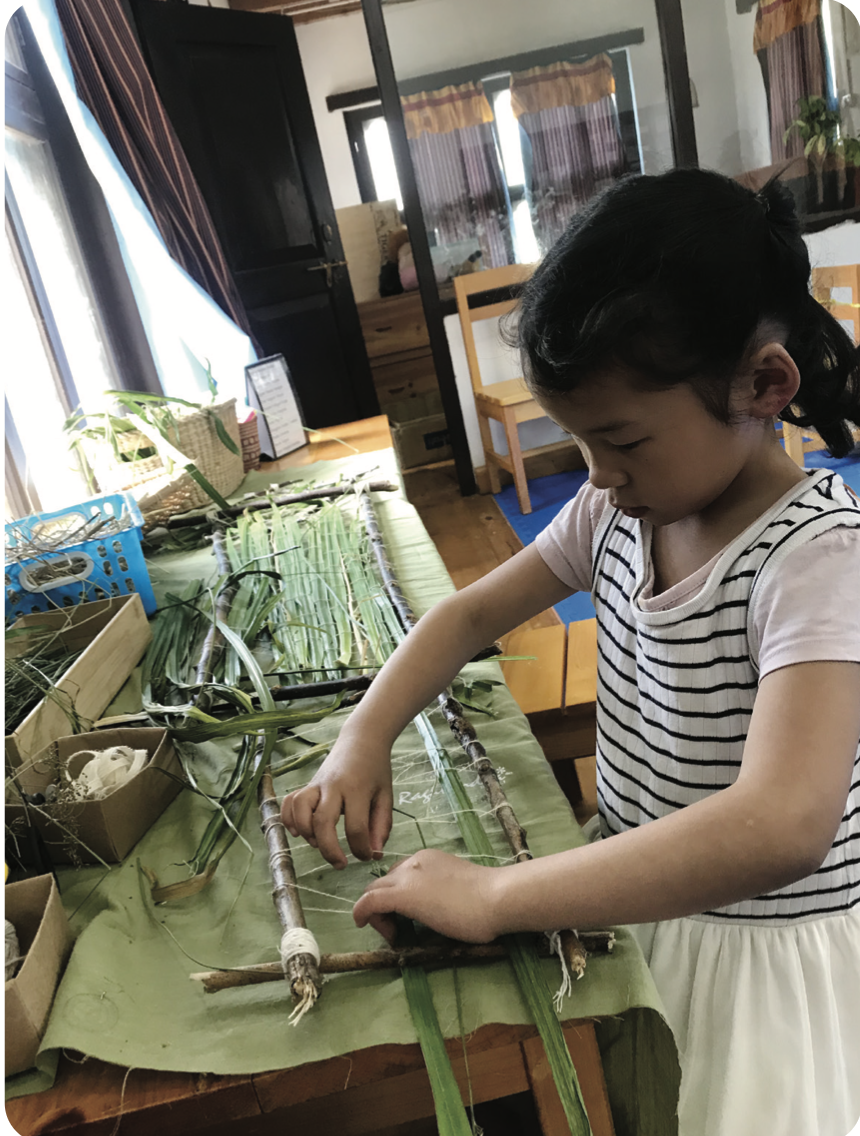
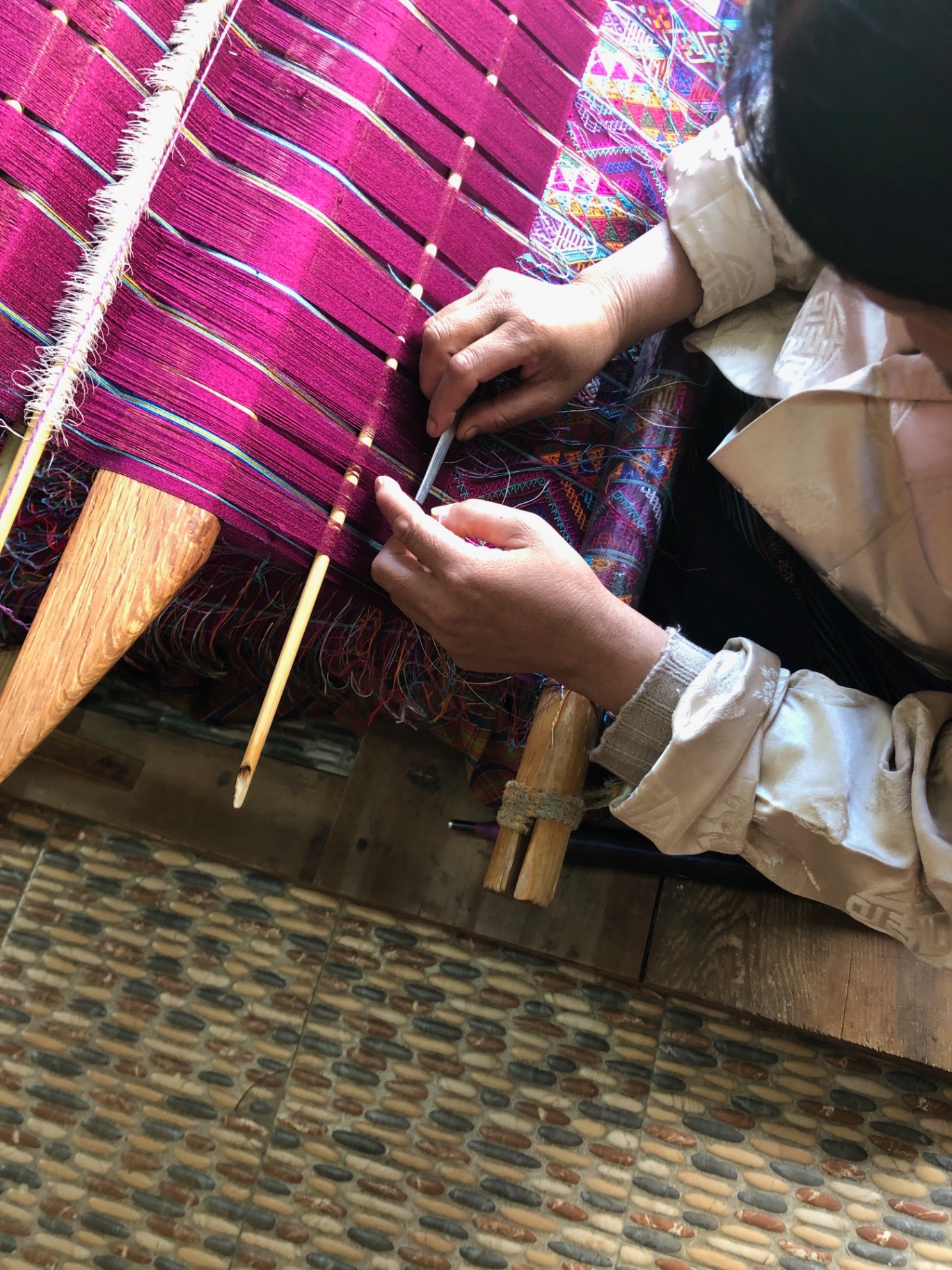
Each studio is held by an artist-in-residence working alongside faculty and visiting artisans, open across the college week. Practical studio experiences in woodworking, clay, and textiles enable pre-service teachers to develop embodied, culturally situated, and socially mediated forms of knowledge that cannot be acquired through abstract instruction alone.
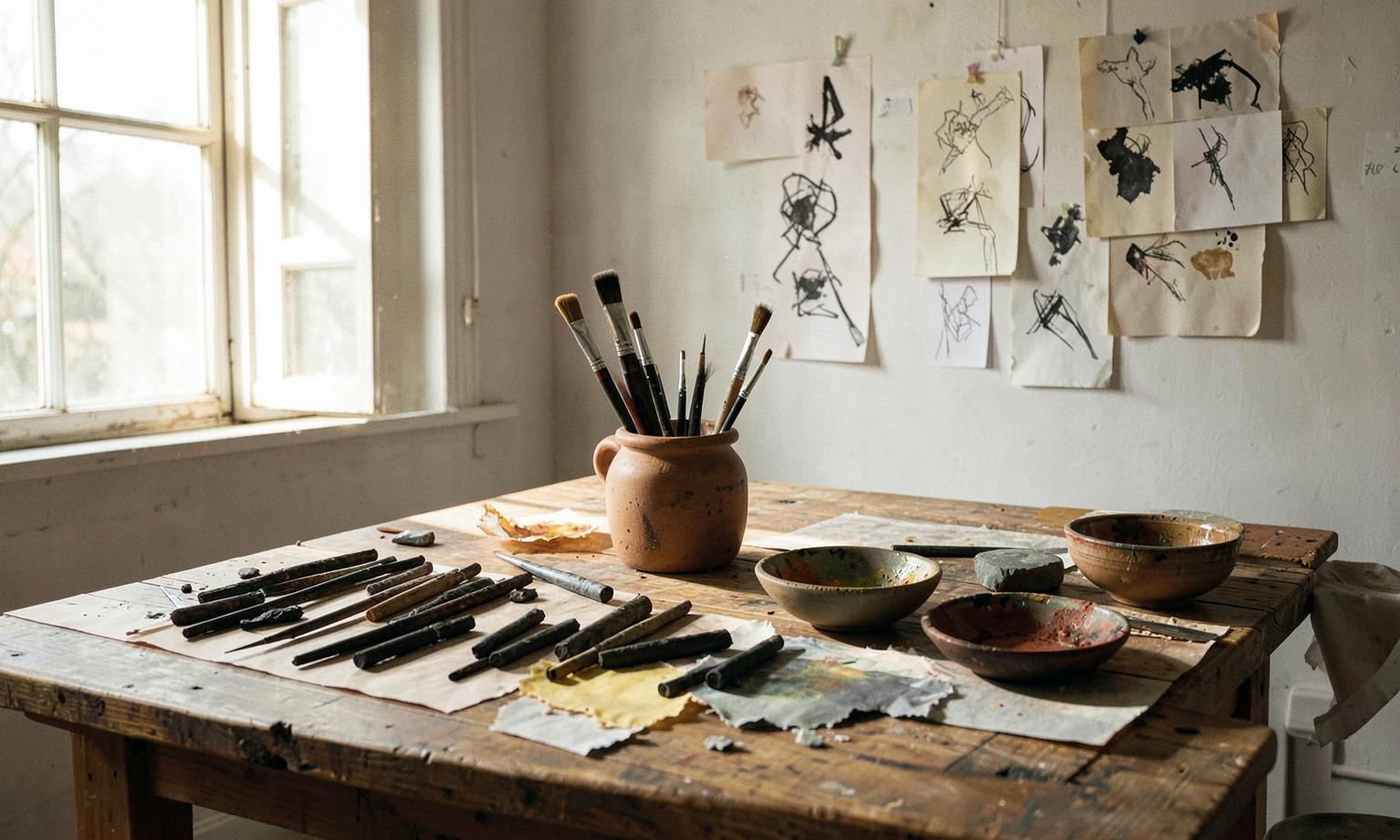
Studio practice slows us down. It teaches us to notice the qualities of fibre, clay, timber, charcoal and pigment. Through attentive engagement with materials, we become more perceptive of the world and our place within it. The studio becomes a place where people learn to listen to materials.
Pedagogy

An incomplete manifesto of pedagogical practices for the visual arts in early childhood education(begin anywhere)
This manifesto was written in response to a vacuum that exists in art education for young children. Teachers can be at a loss as to how to support young children's art making. It is offered as a catalyst to help us rethink how we engage, talk, provide for and respond to the visual arts with young children.
Three pedagogical movements, held within the rhythm of the college year.
- 01
Arrival & Listening
The artist settles into Paro. Tea with faculty, time in the studios, walks with children from the partner school. No work is made until something is heard.
- 02
Studio & Classroom
Open studios, co-taught sessions with student teachers, and afternoons with artisans of Zorig Chusum. A shared inquiry takes shape.
- 03
Documentation & Sharing
Drawings, lesson notes, recordings, and reflections are gathered — held in the college, shared with teachers across Bhutan.